Research Projects
Body Stories:
Researching and Performing the Embodied Experience of Oppression
-
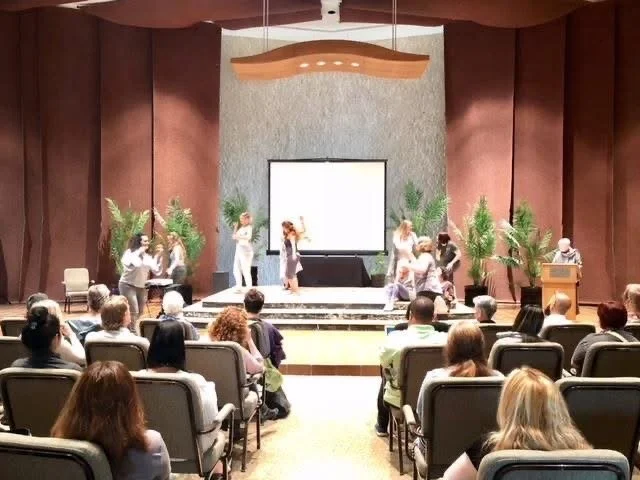
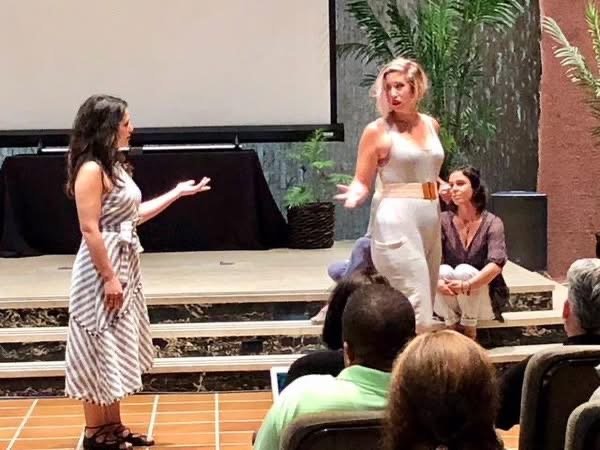
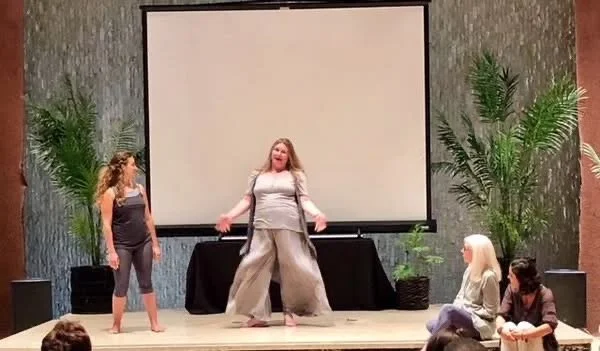
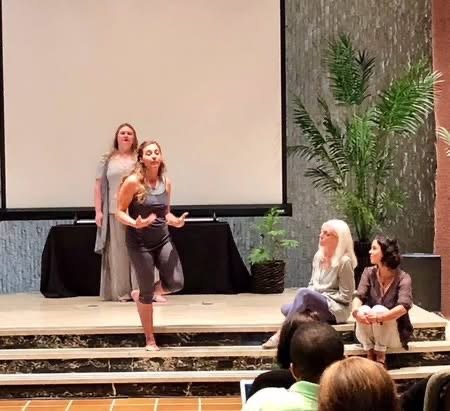
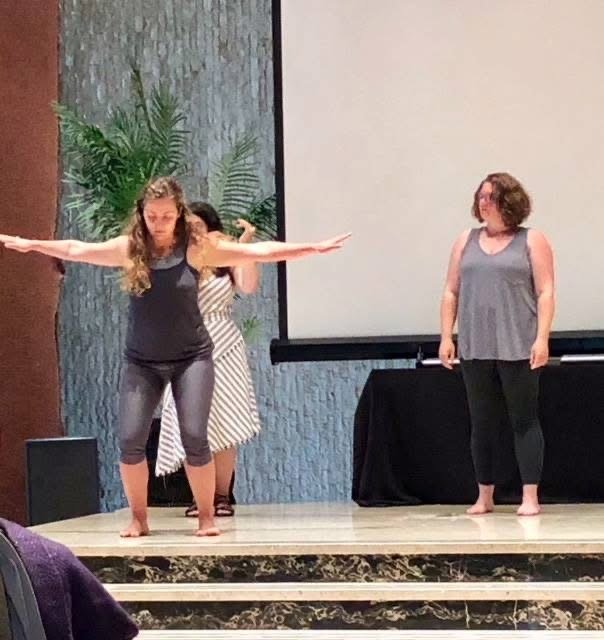
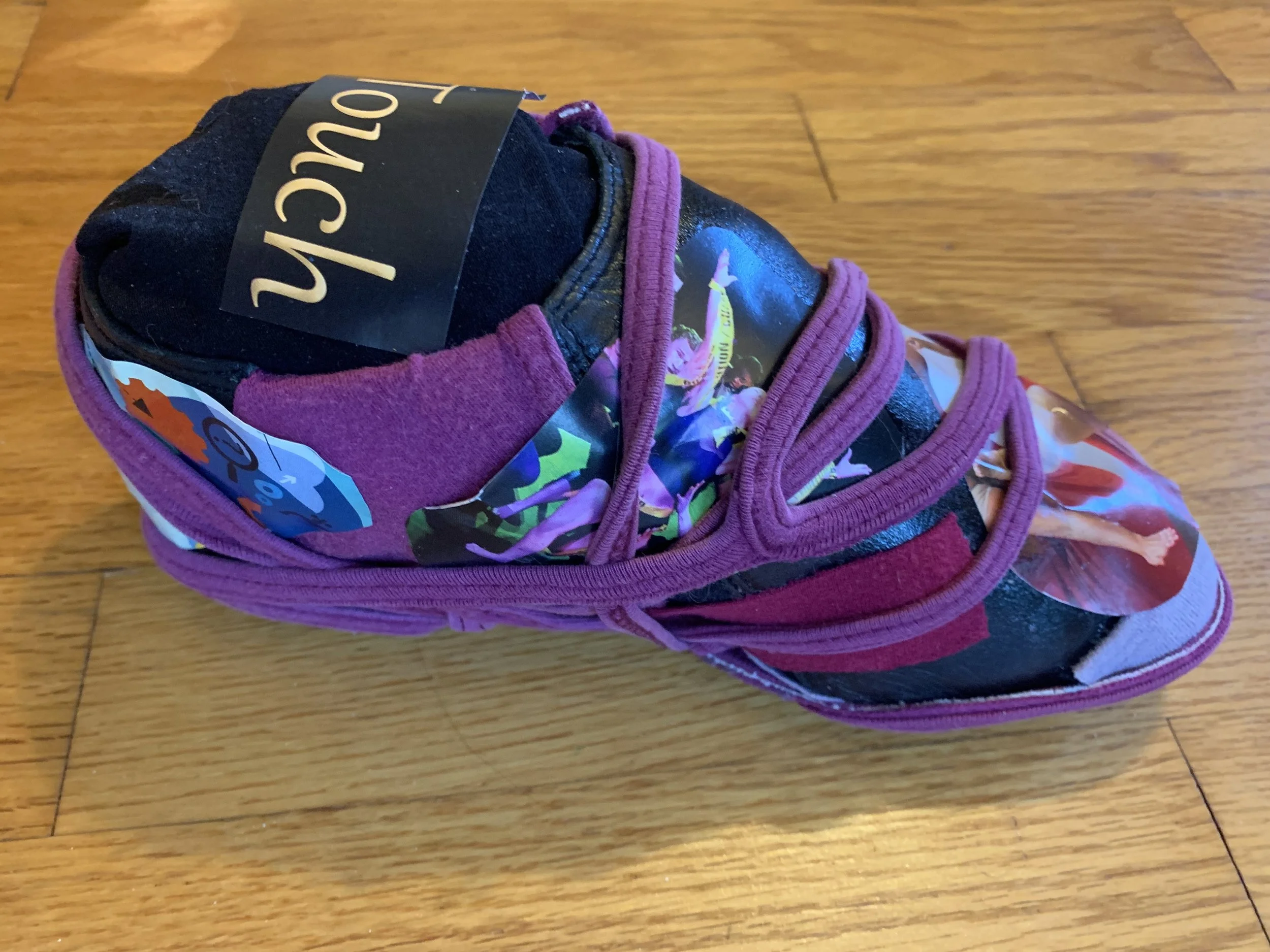
This chapter introduces a form of embodied inquiry called ‘body stories.’ Drawing on narrative inquiry (Clandinin, 2016), performed ethnography (Denzin, 2001, 2003; Goldstein, 2008), and embodied phenomenology (Hanna, 1970), a ‘body stories’ approach requires a particular orientation toward research that informs the whole process—from identifying a research topic to evaluating the strengths and weaknesses of the study (Johnson, 2014). Through a case example of a study exploring the embodied experience of oppression, this chapter examines the challenges of working with embodied experience as data, given the body’s fluid and contested nature. The chapter also discusses the risks of analyzing nonverbal data, and questions how we translate meaning from one body to another. For example, rather than assume that research can capture and convey the absolute truth of someone’s experience, this method recognizes the impossibilities of walking precisely in someone else's shoes. Instead, a ‘body stories’ approach takes advantage of the body’s ability to try on experiences by encouraging everyone involved in the research process (researchers, participants, performers, and consumers) to explore how the experiences of others land in their own bodies.
-
For more information, be sure to check out Dr. Rae Johnson’s website.
Explore this chapter dedicated to outlining body stories as a research method: “The Art and Science of Embodied Research Design”
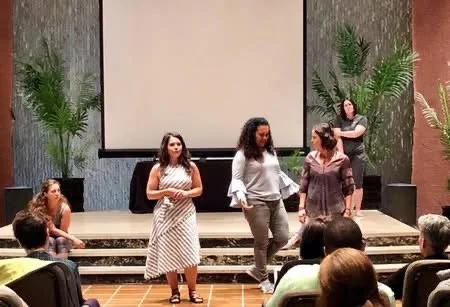
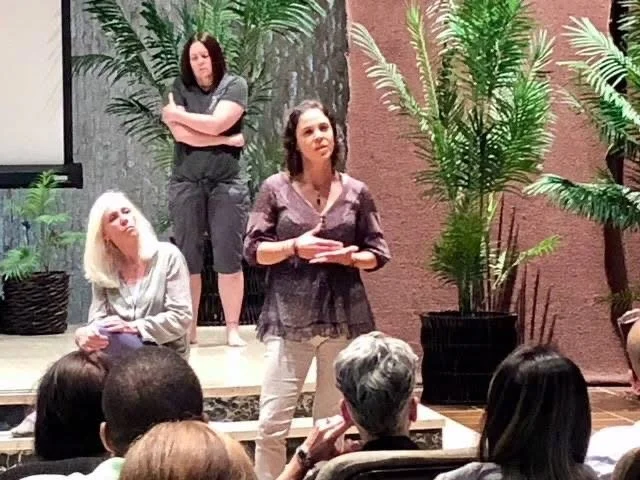
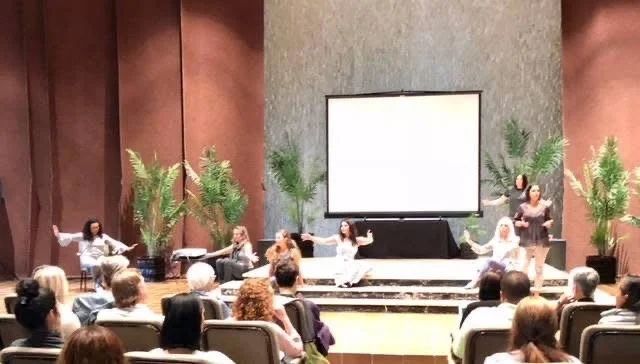
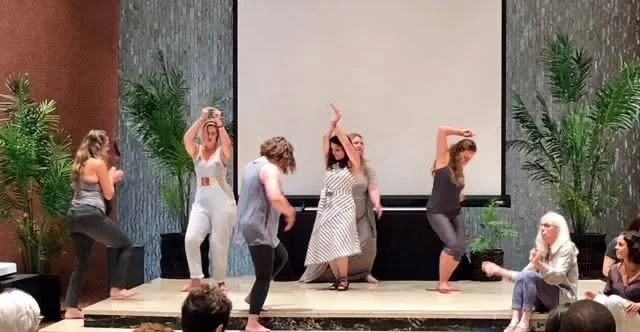
Also check out this short documentary video chronicling the 2018 research presentation process.
Reintegrating the Dancer:
Exploring the Experience of Work-life Identity Transition
-
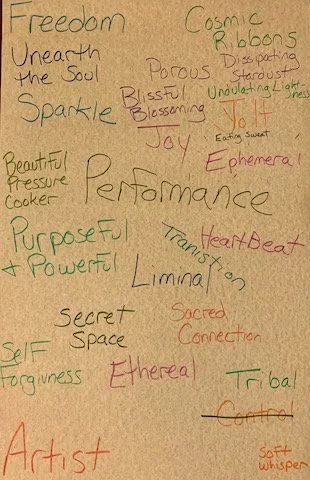
This study considers the dancer’s lived experience of work-life transition out of performance. Any passage out of the performing arts necessitates a shift in world-view resulting in unique identity challenges. The present inquiry creates a context for understanding and communicating the nature of the tensions that render this professional identity shift an existential challenge. Integrated are somatic and depth psychological approaches to identify and center common themes that arise in relation to this phenomenal identity shift. The study provides understanding of the support tools that are necessary for this foundational, transitional moment that is both understudied in the performance literature and painfully lived by many dancers. Data was collected through a series of interviews using the qualitative methods of portraiture and body stories. The interviews explored not only the stories that were created during the transition phase, but also the impact of transition on body and soul. Through such combined methodological inquiry, this research painted embodied narrative portraits of the specific challenges faced by dancers when they make a complex work-life transition. This study thus serves two purposes: It contributes to performance studies literature through previously unrecognized portraits of the embodied experience of work-life transition, and it provides guided languaging that facilitates the transitioning dancer’s naming of their unique sets of experiences, which, in turn, can empower them to seek appropriate support, both individually and organizationally.
-
Click here to download a PDF copy of my dissertation.